


Green Hides Leather Studio
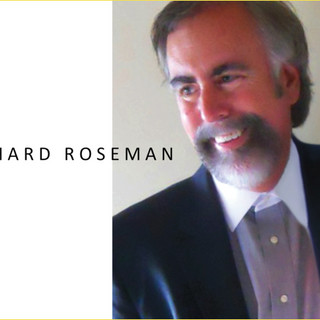
- Rick Roseman
- 1 day ago
- 8 min read
An Italian Story Written In The Skies

Article & Layout by
E L L I E F R E N C H - JCF Magazine Special Contributor
Walk through the completion center of a modern business jet, and it's clear these aircraft are no longer just about transportation. They're airborne homes and offices – at levels that have never existed before. Wellness, connectivity, sleep, dining, air quality, and highly advanced materials. They barely resemble the jets of the early 2000s. Technical advancements, functional leaps, and material evolution that would not even have been imaginable back then. They're all the norm now, and the curve remains in the vertical posture.
One would think an organic material like leather would be immune to such technical advancements. It couldn't be further from the truth. Few interior finish materials carry more of that weight than leather. Both the technical and aesthetic advancements of aviation leather are soaring.
For more than two decades, Green Hides has approached the advancement of leather from an unusual angle. Rather than following industry trends, the company has kept asking a single question: what should aviation leather become? What will the design community want for their customers in the years ahead?
Two Completely Different Worlds, One Vision
The story starts more than 25 years ago, when founder and President Simone Lagnerini left his native Italy with an ambitious idea. Italy was — and still is — the epicenter of the world's finest leather craftsmanship. Lagnerini believed there was an opportunity to bring that heritage directly into the American aerospace market.
"It wasn't simply about importing Italian leather," Lagnerini says. "The vision was to create a company that understood both worlds — the artistry of Italian tanning and the expectations of the North American aviation industry."
That combination got a major boost when Vice President Keith Hill joined the company a few years later. If Lagnerini represented generations of Italian leather expertise, Hill brought decades of experience serving business aviation customers across North America.
"Simone understands leather from its very beginning — where it comes from, how it's made, how every decision at the tannery affects the finished product," Hill says. "My background has always been understanding the customer — completion centers, designers, OEMs and operators. When you combine those perspectives, you begin developing products differently."
That balance still defines the company today. Unlike many suppliers that source leather through distributors or contract tanneries, Green Hides maintains shared ownership with its Italian manufacturing partners. Instead of choosing colors from an existing catalog, the team works directly alongside the tannery to develop new finishes, textures and performance characteristics built specifically for aviation interiors — giving the company flexibility while keeping tight control over how every hide is produced.


The Big “Why?”
New customers often ask the obvious question: why "Green Hides"?
Sustainability is common marketing language throughout aviation today. Two decades ago, it barely came up. When Lagnerini named the company, he wanted environmental responsibility to sit alongside quality and craftsmanship — not because customers were demanding it yet, but because he believed it was the right way to build a business.
"Green wasn't chosen because it sounded fashionable," Lagnerini says. "It represented the direction we wanted to take before sustainability had really entered the conversation."
That thinking has since become one of the company's defining traits. Every leather begins with hides reclaimed as a natural by-product of the food industry, making use of a resource that already exists rather than creating demand for more livestock. Over time, the company has added PFAS-free leather options, REACH-compliant chemistry, solar-powered manufacturing, Leather Working Group Gold-rated facilities, and carbon-neutral certified collections.
"Our customers shouldn't have to choose between luxury and sustainability," Hill says. "The goal is to give them both."

Looking For Problems That Haven’t Been Solved.
Ask anyone at Green Hides what drives new product development, and the answer is consistent: they listen. Trade shows, designer roundtables, completion center visits and everyday customer conversations all become chances to spot what the market is still missing.
"When we begin developing something new, the first question isn't 'what can we make?'" Hill explains. "It's 'what problem hasn't been solved yet?'"
That approach has produced a steady run of innovations rather than a rotating set of trend-driven collections. Sometimes the answer is an entirely new leather. Sometimes it's a rethought manufacturing process. Sometimes it's simply challenging an assumption the industry has carried for decades.
Three Leathers, Three Purposes
Spend time around completion centers and one thing becomes obvious fast: no two customers define luxury the same way. One owner wants understated elegance; another wants rich textures and bold, handcrafted detail. Designers are constantly balancing aesthetics against engineering limits, and every material has to look beautiful while meeting strict aviation regulations and holding up to years of daily use.
Rather than building one collection and simply expanding its color palette, Green Hides developed three distinct aviation leathers, each built around a different set of priorities but sharing the same commitment to craftsmanship.
"It's never been about creating a good, better, best hierarchy," Hill says. "Each collection has its own purpose. Some customers prioritize value, others prioritize appearance, others want every premium feature available. We wanted to give designers meaningful choices without compromising quality."
Supersonic, the company's enhanced-grain aviation leather, is built around consistency and value. It offers exceptional durability, a uniform appearance from hide to hide, and an expanding palette of contemporary colors — a real asset as cabins move away from traditional beige and gray toward warmer, more residential-inspired interiors. Completion specialists appreciate the predictability it brings to cutting and upholstery.

Aeronautica has become something close to an industry standard. Crafted from premium European full-grain hides, it strikes a balance many designers spend years chasing: soft without feeling delicate, elegant without feeling overly refined, and durable enough for years of service while retaining the natural character that only full-grain leather offers.
"There is something timeless about a beautifully finished full-grain leather," Lagnerini says. "You can immediately recognize its authenticity." Rather than correcting away natural variation, Aeronautica leans into it — a quality that matters more as cabins trend toward handcrafted, residential-style environments.
Then there's AeroDream, the flagship product, which started not in a design studio but in conversation. At trade shows around the world, the Green Hides team kept asking designers, upholsterers and completion specialists the same question: if you could create the perfect aviation leather, what would it include? The answers were remarkably consistent — extraordinary softness, superior environmental credentials, advanced antimicrobial protection, compliance with evolving international standards, and above all, unmistakable luxury.
"We didn't start by asking what we wanted to manufacture," Hill recalls. "We started by making a list of everything customers wished existed."
Produced from carefully selected European bull hides, AeroDream features an exceptionally soft nappa grain that sets it apart immediately. "It's one of those leathers people instinctively reach out and touch," says one completion specialist who has used it on multiple VIP aircraft. "The softness surprises people." Beneath that hand is real technical substance: AeroDream is carbon-neutral certified, incorporates antibacterial and antiviral technology, and meets demanding Airbus and Boeing smoke density and toxicity requirements. "It still has to feel like luxury," Lagnerini says. "Performance alone isn't enough."


Built for the Real World
Whichever collection a customer chooses, the leather has to keep performing long after the aircraft leaves the completion center. Business jet cabins cycle through dramatic swings in temperature and humidity. Passengers board with coffee, wine, sunscreen and cosmetics — all capable of staining ordinary upholstery. Frequent cleaning is a given, especially on charter and corporate aircraft where appearance reflects directly on the operator's brand.
Every Green Hides collection is finished for soil resistance, stain resistance and water repellency without sacrificing natural feel. Flameproofing happens during the tanning process itself, rather than as an add-on treatment, helping ensure lasting FAA compliance without affecting appearance or flexibility. Quality control runs deep: each production run is inspected multiple times in Italy, then reviewed again in the United States, so color, finish and performance stay consistent shipment after shipment.
"It's easy to focus on how a leather looks," Hill says. "But our customers also depend on consistency. They need confidence that the hide they receive six months from now will match the one they're installing today."
Much of that work happens out of sight — hide selection, tanning chemistry, the back-and-forth between the American office and the Italian manufacturing teams. None of it shows up in a finished photograph, but it's often what determines whether an installation succeeds. "Luxury is built long before someone sits in the seat," Lagnerini says. "It's built through thousands of decisions made during production."

Innovation Beyond Leather
Green Hides has built its reputation on leather, but it's increasingly known for something else: a willingness to rethink products the industry had simply accepted as good enough.
Sheepskin is a longtime favorite in business and VIP cabins for its comfort and natural temperature regulation. But traditional sheepskin creates real headaches for completion centers — the skins are relatively small and irregularly shaped, so applying them to today's larger seat designs often means excess waste, more sewing time and higher installation costs.
"When we decided to introduce sheepskin, we didn't want to simply become another leather company offering sheepskin," Hill says. "If we were going to do it, we wanted to solve the problems customers had been living with for years."
The result is AeroMerino, produced in consistent 24-by-42-inch rectangular panels rather than irregular natural skins. That standardized sizing improves nesting efficiency, cuts material waste and shortens cutting and sewing time — a meaningful advantage on large completion projects where labor often costs more than materials. The wool itself is premium Australian Merino, prized for softness, resilience and appearance, so the comfort aircraft owners expect comes paired with a manufacturing process that makes life easier for the people installing it.
A similar mindset shaped the company's approach to quilting. Decorative quilting has become a defining design element in modern cabins, but most suppliers have treated it the same way for years: small sewn inserts, mostly for seat centers. Green Hides invested in German-engineered quilting technology capable of producing sew fields up to 54 by 72 inches, opening the door to continuous quilted patterns on dividers, sidewalls, bulkheads, headliners and other architectural elements.
Tap t

Relationships That Last
Ask Green Hides' customers what sets the company apart, and many start talking about people rather than product. Business aviation is a small world — completion centers know one another, designers collaborate across projects, and OEMs, refurbishment specialists and suppliers often work together for decades. Reputation travels fast.
Green Hides has built much of its business on long-term relationships rather than one-off sales, helped along by the fact that the American office works directly with the Italian manufacturing teams rather than through layers of middlemen. "When customers call, they're talking to people who are connected directly to production," Hill says. "That makes a tremendous difference." Despite serving customers worldwide, the company still carries the feel of a family business, one where relationships tend to outlast the purchase order.


Looking Toward the Next Generation
Business aviation keeps evolving. Cabins increasingly resemble luxury residences rather than traditional aircraft interiors. Sustainability has moved from aspiration to expectation. Designers want more customization, and operators want materials that still look great years into service.
Green Hides doesn't see that as a call for dozens of new collections. It sees it as more reason to keep asking the same questions that have guided the company since the beginning: How can a product perform better? How can it install more efficiently? How can it reduce environmental impact? How can it inspire designers to think differently?
Those questions have already produced carbon-neutral aviation leather, rectangular Merino wool panels, and oversized quilting capabilities. More than any single product, they've established Green Hides as a company willing to challenge convention without abandoning the tradition it was built on.
"Italian leather has always represented craftsmanship," Lagnerini reflects. "Our responsibility is to honor that heritage while continuing to move it forward."
That balance between heritage and innovation may define Green Hides more than any product line — centuries of Italian tanning expertise applied to an industry that never stops pushing the boundaries of technology and design. As aircraft interiors grow more sophisticated, sustainable and personal, Green Hides looks well positioned to stay right where it has spent the last quarter century: at the intersection of Italian craftsmanship, American aviation expertise and the next challenging question their customer asks.
This article was produced by Rick Roseman – Publisher — August 2026
Article layout and editorial production by: Ellie French
Our sincere thanks to Keith Hill (Vice President) and Simone Lagnerini (founder / CEO)
For information on Green Hides Leather Studio, visit:
he link below to follow this article . . .


Comments